Choosing Riviera Maya wedding photography coverage should begin with the story you want to remember, not with an arbitrary number of hours. A destination wedding can move through separate suites, a ceremony space, family portraits, cocktail hour, dinner, and dancing. The right coverage connects those chapters without making the day feel like a production.
This guide helps you decide what needs to be photographed, where time can disappear, and how your planner, photography team, and video team can build one calm plan. For a broader look at pacing, start with our Cancun wedding timeline guide, then use the framework below to shape coverage around your own celebration.
Start With the Story, Not a Number of Hours
Before comparing coverage options, name the moments that would make the final gallery feel complete. Some couples care deeply about quiet preparation with parents. Others want more space for editorial portraits, guest reactions, or the energy of the dance floor. There is no universal sequence that fits every wedding.
Create three lists: moments that are essential, moments that are meaningful if time allows, and moments you do not need documented. This makes the coverage conversation specific. It also helps your team protect what matters when the schedule changes.
Preparation as the opening chapter
Getting ready coverage works best when the room is settled, important people are dressed, and personal details are gathered in one place. The goal is not to photograph every minute of preparation. It is to establish atmosphere, relationships, anticipation, and the visual language of the day. Our Riviera Maya getting ready guide can help you organize this chapter before the team arrives.
The ceremony as the emotional center
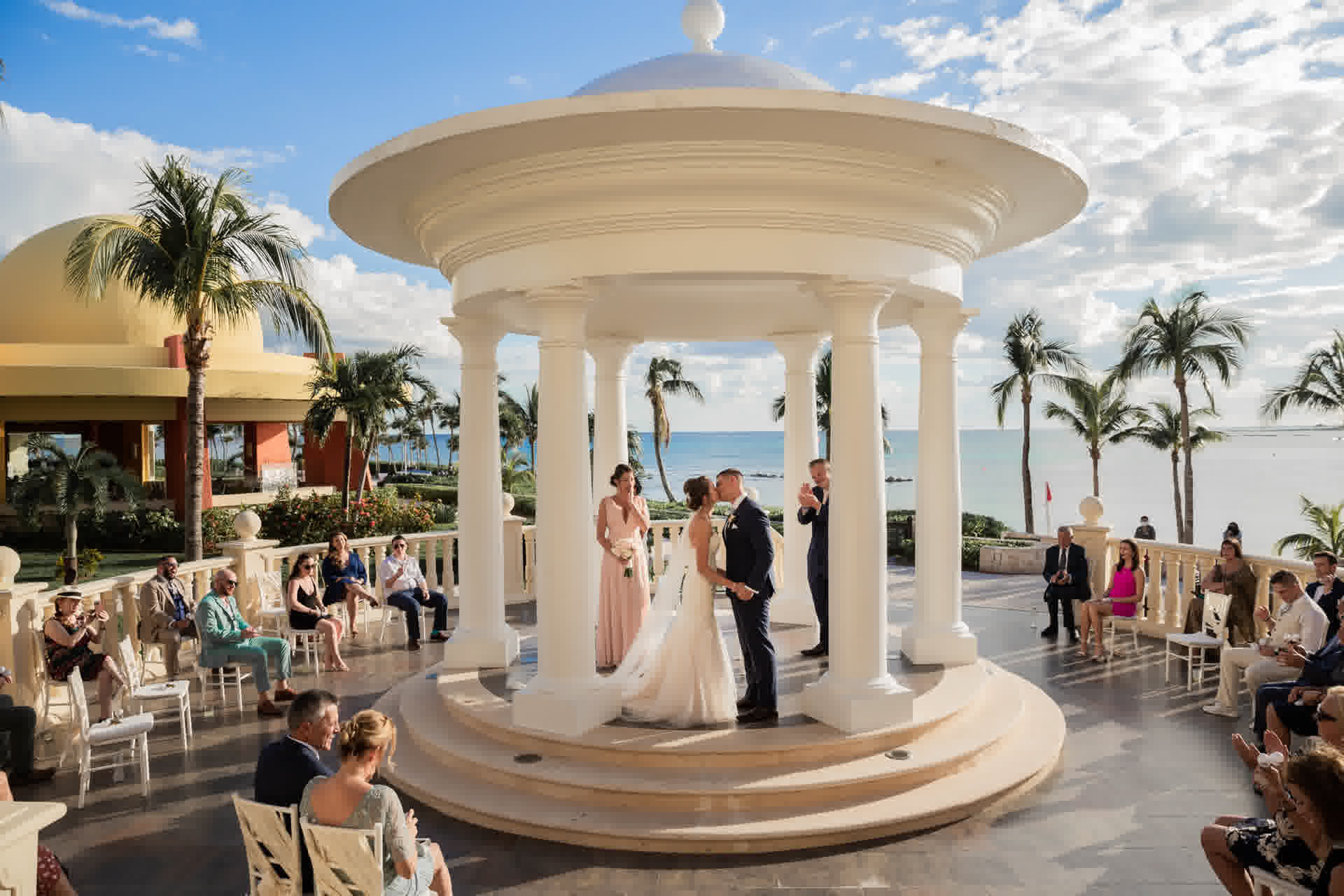
The ceremony deserves more than a start time on a schedule. Consider arrivals, processional order, readings, tradition-specific elements, reactions, and the exit. Tell the team about surprises or people whose reactions matter to you. A clear ceremony outline helps photography and video anticipate moments while staying unobtrusive.
The reception as movement and connection
A reception may include an entrance, speeches, parent dances, dinner, open dancing, and informal conversations. Decide which events need to happen while coverage is active. If the most important reception moments are scattered across a long evening, the story may require a different structure than a reception with key events grouped naturally.
One wedding, several chapters: Sarah and Gunnar
Sarah and Gunnar’s photographs at ATELIER Playa Mujeres are a useful way to talk about coverage without starting with a package. Their selected story moves through getting ready, a first look on the staircase, the ceremony, portraits on the walkway, evening dancing and the cake.

- Preparation: leave room for the people helping you, not only the dress and details.
- First look: decide whether you want this private time together before your guests see you.
- Ceremony: allow the story to include arrivals, reactions and the exit, not only the vows.
- Portraits: work out how to move between spaces without spending the celebration walking from one backdrop to another.
- Reception: tell us which dances, speeches or traditions need to happen before coverage ends.

This describes the sequence in their photographs; it is not a timed schedule or a statement of the hours they booked. Your ceremony time, locations and priorities determine your plan. You can see the selected photographs in our wedding portfolio. If you are still comparing teams, here is what to check in a photographer’s full galleries.
Map Every Location Change
Destination wedding timelines often lose time between spaces rather than during the events themselves. Two suites may be in different buildings. A ceremony can be a walk from the reception. Portraits may require access approval or a short transfer. Even a move that looks simple on a venue map can involve elevators, gathering family members, touchups, or guest traffic.
List every transition from the first photographed moment to the last. Ask your planner to verify realistic movement time and any access requirements. Then add a modest buffer around the transitions that involve the couple, close family, or the full wedding party. A buffer is not wasted coverage. It protects the emotional pace of the day.
Protect Portrait Time Without Turning the Day Into a Shoot
Editorial portraiture benefits from intention, but it does not need to dominate the celebration. Select a small number of portrait priorities: the couple, immediate family, wedding party, and any legacy groupings that matter. Prepare names and group combinations in advance so calm direction can replace improvisation.
A first look can move some portraits before the ceremony, while a post-ceremony plan may preserve the traditional reveal. Either choice can work. The decision should reflect your preferences, the available spaces, and the planner’s timeline. Keep a short second portrait window later if the light or atmosphere changes. That gives the gallery visual variety without removing you from guests for a long stretch.
Coordinate Photography, Video, and the Planner as One Timeline
Separate creative teams should not compete for the same minutes. Photography may need a quiet portrait sequence while video needs clean audio or movement. The planner may need the couple hidden while guests enter another space. One shared timeline makes those needs visible before the wedding day.
Xavier Bau Weddings is a Cancun-based bilingual photo and video team with more than 1,200 weddings documented. Our approach combines editorial portraiture with documentary storytelling, calm direction, and planner timeline coordination. That experience is most useful when coverage is designed collaboratively, not added after the venue schedule is already fixed.
Ask who owns the master timeline, when the creative teams will review it, and how last-minute updates will be communicated. If an outside-vendor policy affects access, confirm it directly with the venue in writing. Vendor-fee support is available on select Xavier Bau Weddings collections, but venue rules and requirements should always be verified for the specific event.
Use a Coverage Test Before You Decide
Read the draft timeline from beginning to end and test it with five questions:
- Does coverage begin before the first essential moment?
- Are all location changes visible and realistically timed?
- Is there a clear plan for family and couple portraits?
- Do the key reception events happen before coverage ends?
- Is there enough breathing room for documentary moments to unfold?
Then compare the plan with complete wedding stories rather than isolated highlight images. Reviewing full weddings shows how preparation, ceremony, portraits, and reception work together across an entire gallery. The strongest coverage choice is the one that preserves your priorities and still lets you experience the celebration.
Frequently Asked Questions About Riviera Maya Photography Coverage
How do we know when photography coverage should begin?
Begin with the first moment that is essential to your story, then work backward for the preparation needed to photograph it calmly. If details, family interactions, or separate getting ready spaces matter, include them explicitly in the plan.
Should a first look change our coverage plan?
It can redistribute portrait time, but it does not automatically shorten or lengthen coverage. Its value depends on your ceremony schedule, locations, privacy, and the experience you want before seeing guests.
How should we plan coverage when we are getting ready in different places?
Share exact locations, access details, and travel time with the planner and creative team. The team can then determine whether the schedule supports both stories or needs a revised order.
Do we need photography through the entire party?
Not always. Identify which reception moments and relationships are important, then place them on the timeline. Coverage should end only after the final essential chapter has been documented.
Can photo and video follow the same coverage plan?
They can share one master timeline while reserving small windows for their different needs. Early coordination reduces repetition and keeps direction consistent for the couple and wedding party.
Tell me your date and venue, which ceremonies you are planning, and the last moment you want photographed. Send those details through the contact form so we can discuss the coverage around your day.