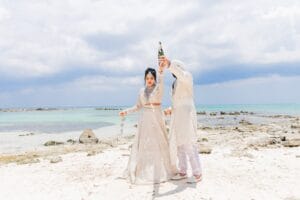
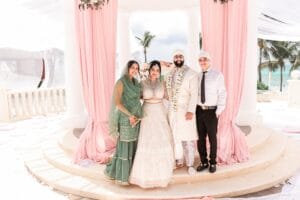
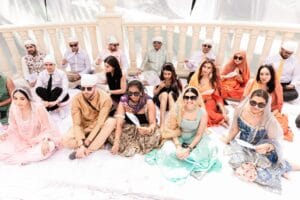
A private villa wedding in Riviera Maya can place preparation, ceremony, portraits, dinner, and dancing within one property. That proximity can create an intimate photographic story, but it does not remove the need for logistics. A residence becomes an event environment, and every transition affects the couple, guests, planner, and creative teams.
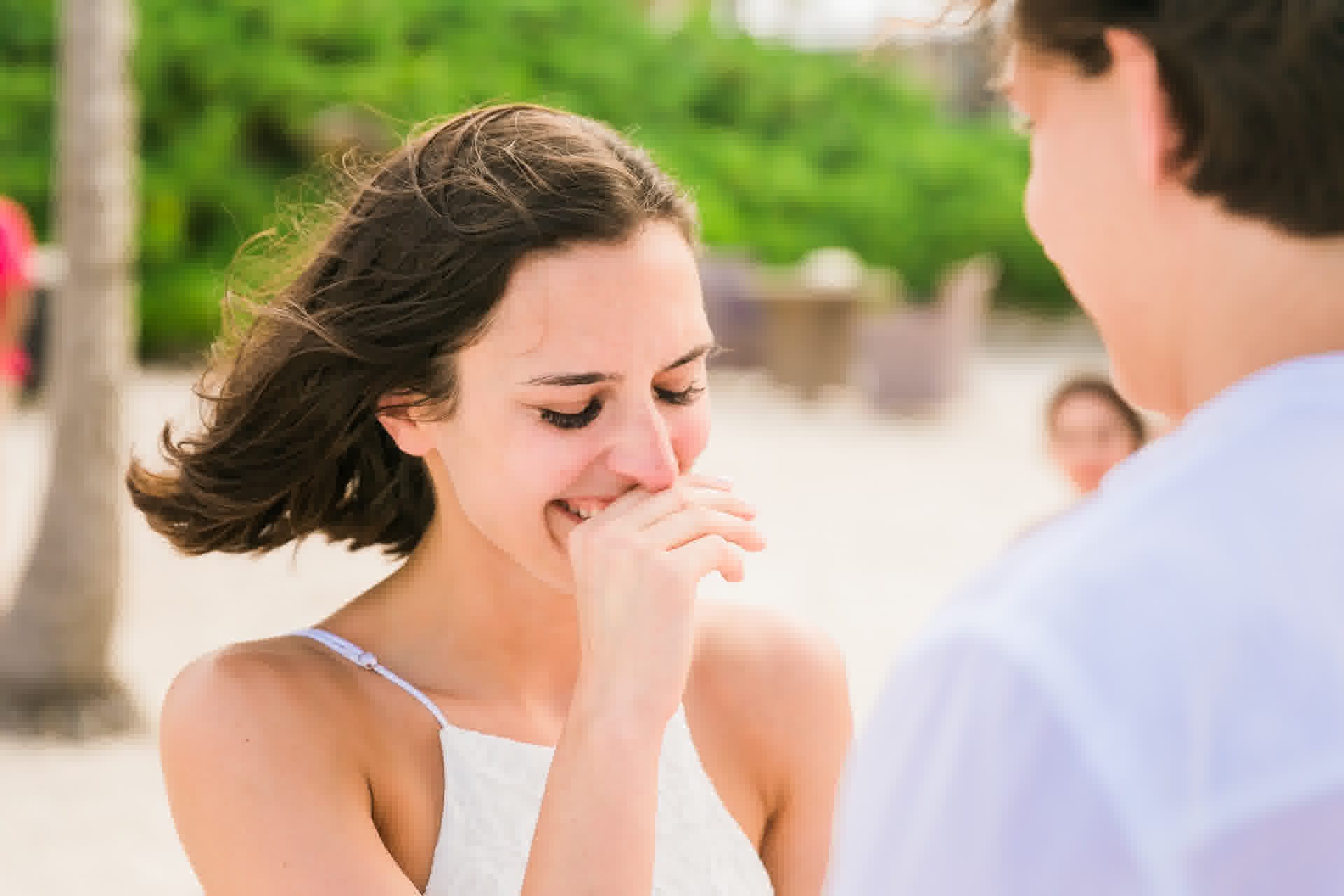
This guide focuses on photography production after a villa is under consideration. It complements our broader hotels versus private villas comparison rather than recommending a particular property. Capacity, event permissions, access, neighborhood requirements, sound policies, and vendor rules vary. Confirm every current condition with the villa representative, planner, and written agreement.
Map the Villa as a Complete Wedding Story
Begin with a simple property map. Mark preparation rooms, ceremony location, cocktail area, reception layout, service routes, guest paths, portrait zones, and an alternate covered or indoor option. Then trace the day in chronological order.
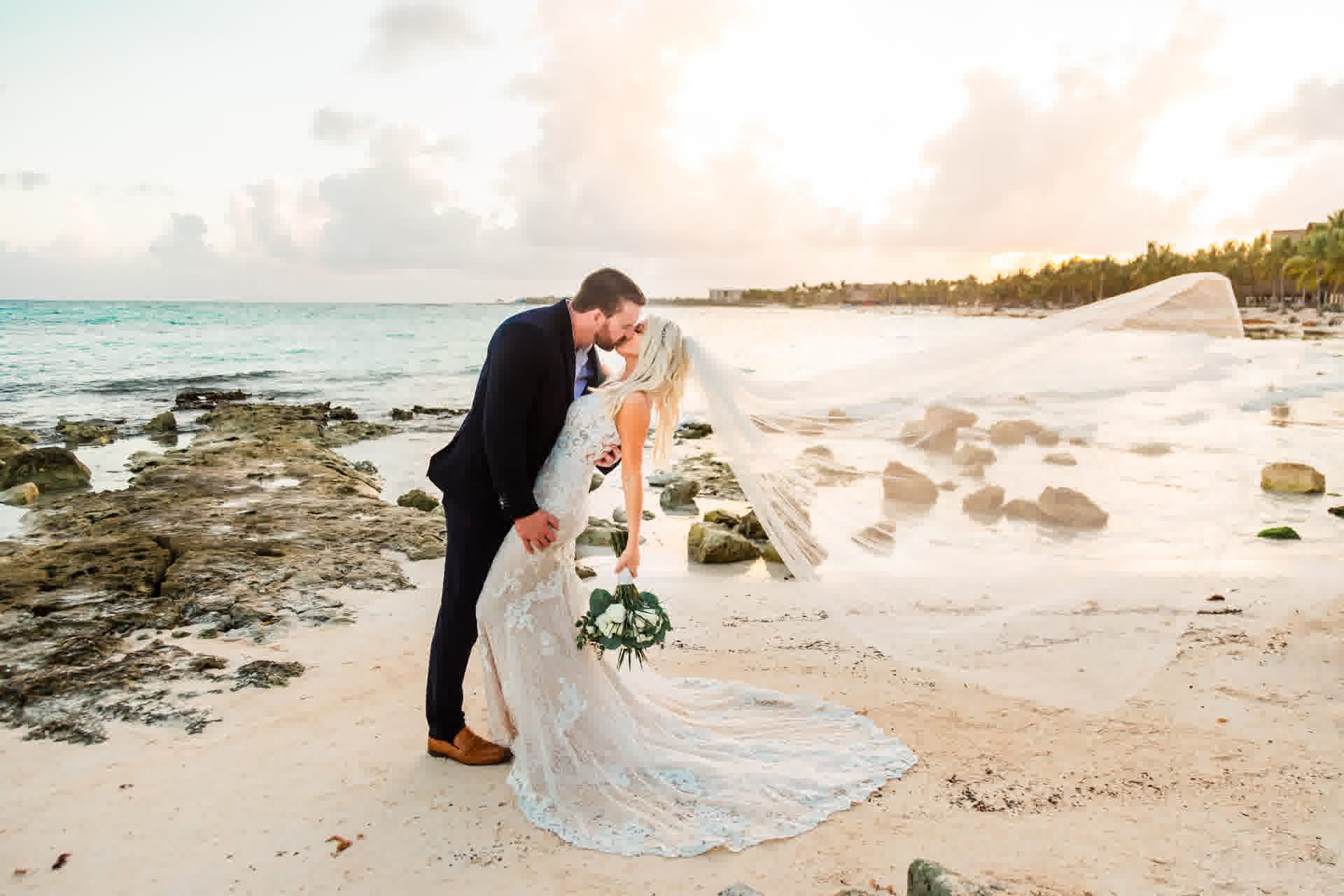
The map reveals conflicts that room photographs may hide. A portrait staircase might also be the main guest entrance. A ceremony lawn might be used for reception setup. A preparation suite may look spacious until clothing, personal items, and a full group arrive. Identifying shared spaces early lets the planner sequence access instead of solving collisions during the event.
Give each chapter a visual purpose
Preparation should establish relationships and anticipation. The ceremony should show context and emotion. Portraits should create a deliberate visual pause. The reception should reveal design, connection, and movement. When each zone serves a chapter, the gallery feels varied without requiring constant travel.
Protect the transitions
One-property weddings still involve movement. Guests may cross portrait areas, vendors may be completing setup, and the couple may need a private route. Put transitions on the timeline and decide who keeps each path clear.
Separate guest flow from production flow
Whenever possible, identify where the creative team can move without interrupting guests or appearing in one another’s frames. This is especially important around processional routes, speeches, and the dance floor. The planner should approve the final movement plan.
Choose Preparation Rooms for People and Light
A preparation room must work for the people using it before it works for photography. Consider ventilation, seating, mirrors, personal belongings, hair and makeup activity, and how many people will be present. Then evaluate window direction, wall color, floor space, and background simplicity.
Assign one area for personal items and another for details that will be photographed. Ask the wedding party to finish dressing before key interactions begin. If two partners prepare on the property, select rooms with enough separation to preserve privacy and create realistic movement for the photo and video team. Our Riviera Maya getting ready guide offers a focused preparation checklist.
Build a Compact Portrait Route
A villa may contain more visual options than the timeline can use. Select a compact route with two or three complementary zones: perhaps a shaded architectural area, a garden or terrace, and an evening setting. These are categories, not promises about a particular property. Evaluate the actual villa at the planned time and confirm access.
Keep couple portraits distinct from family photographs. Family groups benefit from one accessible area with consistent light and a prepared list. Couple portraits can then move through the route with calm direction. If a second window is available later, use it to add another atmosphere rather than repeating the first session.
Place the route inside the master schedule. The Cancun photography timeline guide can help you test how portraits connect with ceremony, cocktail hour, and reception without creating a long absence from guests.
Confirm Access and Event Infrastructure
Do not assume that residential access works like a hotel event space. Ask the responsible property contact and planner about arrival procedures, parking or drop-off, equipment paths, permitted rooms, power access, setup windows, and any areas that are private or restricted. These details should come from the current event agreement, not from a previous wedding.
Photography and video should know where they can place necessary items without blocking guest paths. The planner should identify a secure working location and the appropriate contact for access questions. If outside-vendor requirements apply, confirm them in writing. Xavier Bau Weddings offers vendor-fee support on select collections, subject to the collection and the specific event.
Design an Alternate Route That Belongs to the Villa
A private property needs an alternate plan for ceremony, portraits, and guest movement. Identify covered or indoor spaces that can support the intended number of people and event flow, subject to the villa’s approved use. Then consider how the visual design can respond to that architecture.
The portrait alternate may be different from the ceremony alternate. Look for a clean background, useful light, enough depth, and privacy. Keep it near the main event route so a change does not require a complete timeline rebuild. Conditions can vary, so the value of the plan is readiness rather than certainty.
Coordinate One Photo, Video, and Planner Timeline
Villa weddings often involve overlapping setup and celebration spaces. The photography team, video team, and planner should review the same timeline and property map. Agree on when preparation rooms are ready, when ceremony and reception details can be photographed, where family groups gather, and how the couple moves between scenes.
Xavier Bau Weddings is a Cancun-based bilingual photo and video team with more than 1,200 weddings documented. Our work combines editorial portraiture and documentary storytelling with calm direction and planner timeline coordination. That approach helps the villa feel like one connected setting rather than a collection of unrelated backgrounds.
Review full wedding stories to evaluate how one event moves from quiet preparation to ceremony, portraits, dinner, and dancing. A complete story is the best reference for deciding which spaces deserve time.
Frequently Asked Questions About Riviera Maya Villa Weddings
Is a private villa automatically easier for photography than a resort?
No. Proximity can simplify some movement, but access, setup overlap, guest routes, and property requirements still need careful coordination.
How many portrait areas should we plan at the villa?
Choose a small route of complementary zones that fit the timeline. More options do not help if moving between them interrupts the wedding.
Who should confirm which rooms the team can use?
The planner or responsible property contact should confirm current access and restrictions in accordance with the event agreement.
Do we need a covered portrait location if the ceremony has a backup?
Yes. A ceremony backup may not offer enough privacy, light, or space for couple and family portraits, so evaluate those needs separately.
When should photography and video review the property plan?
Review it after the event layout and timeline are developed, then revisit any material change that affects access, movement, or scheduled scenes.
Planning a villa wedding and want the visual route to support the experience? Contact Xavier Bau Weddings with your date, property, planner details, and current timeline.