A multi-day Indian wedding in Cancun is easier to manage when the planner maintains one operating system for events, people, spaces, transportation, meals, production, and documentation. This guide focuses on that coordination layer rather than prescribing a day-by-day schedule.
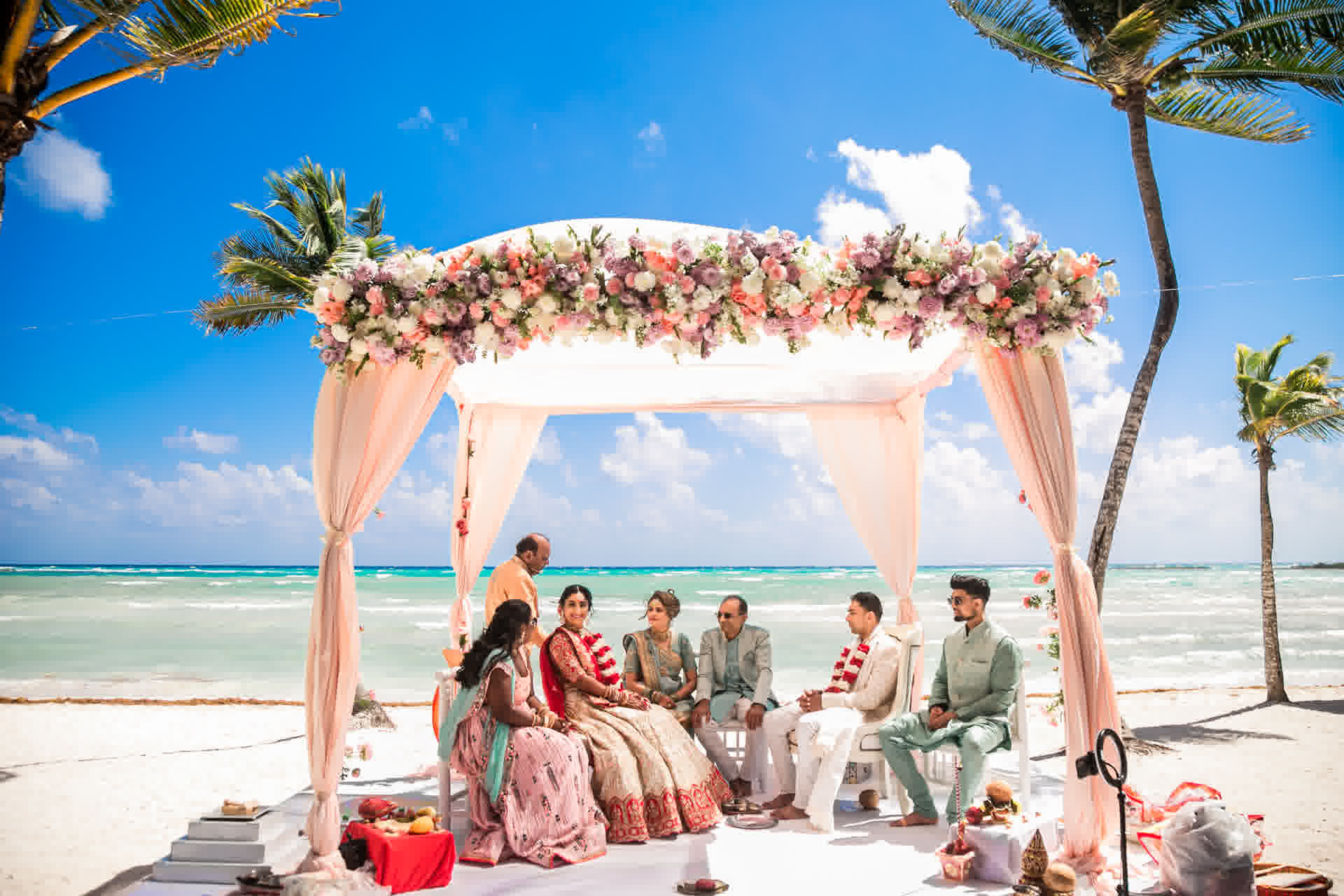
Confirm rituals, roles, and priorities with your families and officiant first. Then convert those decisions into four working documents: an event matrix, a guest-movement plan, a vendor run of show, and a decision log with one current owner.
Build the Four Control Documents
The operating plan should make dependencies, owners, deadlines, and approved changes visible. These documents can remain concise, but every vendor lead should know which version governs the weekend.

Event matrix and dependency map
List each ritual, gathering, meal, portrait session, performance, and transition. For every item, record the required people, space, predecessor, owner, setup window, and decision deadline. This exposes conflicts before exact times are locked.
Decision log and change control
Record approved changes, the person who authorized them, affected events, and the version distributed to vendors. Give the planner one escalation list that ranks the elements to protect if weather, travel, or production conditions require an adjustment.
Our South Asian weddings in Cancun page shows editorial portraiture and documentary storytelling across a multi-event celebration.
Choose Spaces as a Connected System
A beach, ballroom, terrace, and private room may each be beautiful, but they also form a route that guests and vendors must navigate. Evaluate the entire sequence, not each venue in isolation.
Measure transitions, not just distance
Travel time includes elevators, lobby walks, loading, guest boarding, security procedures, and movement between staging and ceremony areas. Ask the planner to walk the route and build realistic transition time into the schedule.
At large Riviera Maya resorts, one of the easiest mistakes is assuming that two venues shown close together on a property map will behave like a short transition in real life. Once family members, formal clothing, elevators, golf carts, security access and equipment are involved, the move can take much longer than expected. We prefer to protect those transitions early rather than steal time later from portraits, ceremonies or family photographs.
Match spaces to event needs
Consider sound, shade, flooring, privacy, power, changing rooms, accessibility, and weather protection. A space that works for a relaxed welcome may not support a performance-heavy evening. Confirm all operational details directly with the venue and planner because policies can vary and change.
Build a Guest Experience That Is Easy to Follow
Guests should not need to decode the wedding. Give them one reliable source for schedules, attire guidance, transportation, locations, and updates. Keep instructions concise and send major changes through the same channel used for the original plan.
Protect arrival and recovery time
International travel can be tiring. Avoid placing a must-attend event too close to the main arrival window, and do not assume that every guest wants scheduled activity from morning to midnight. Free time allows people to rest, explore, and arrive fully present.
Communicate tradition-specific context with care
For guests who may be unfamiliar with an event, offer a brief explanation of its meaning and expected participation. Avoid presenting any custom as universal. Wording should reflect your families and can be reviewed by family members or the officiant before it is shared.
Coordinate Vendors Through One Timeline
A multi-day wedding often includes many specialized teams. They should work from one approved timeline with clear version control. The planner is typically the central coordinator, while each lead confirms the details that affect their work.
Schedule production and people separately
The room may need several hours of setup before guests arrive. Hair and makeup may begin long before photography. Sound checks, transport loading, floral installation, and catering preparation should appear on the production schedule even if guests never see them.
Hold a final coordination review
Before the wedding, review contacts, arrival windows, event order, pronunciation, key family relationships, portrait priorities, weather alternatives, and access requirements.
- Confirm the final ceremony order and officiant contact.
- Confirm every venue, room number or meeting point.
- Assign one family contact for each side.
- Lock the priority family photo list.
- Confirm vendor access, day passes and outside-vendor requirements.
- Confirm the weather backup and who can activate it.
- Share one final timeline version with every vendor lead.
For photography planning questions, the ultimate wedding photography guide offers a useful companion resource, our 3-day Indian wedding timeline shows how those decisions can translate into a practical wedding-weekend flow, and our multi-day South Asian wedding photo and video guide explains how we keep coverage consistent across several events.
Plan Photo and Video Across the Full Story
Multi-day coverage should not make every hour feel like a photo session. Decide which events need complete documentary coverage, where editorial portraits will add value, and which intervals can remain private.
Create a visual rhythm
Different days can have distinct visual identities while still belonging to one story. Consider the light, palette, wardrobe, location, and energy of each event. Share inspiration as direction, not as a shot-for-shot demand. The strongest images respond to the people and conditions actually present.
Prepare family and ritual context
Provide names, relationships, significant rituals, surprises, and any sensitive family dynamics the team should understand. This allows documentary coverage to anticipate meaningful interactions. A concise family portrait list also protects time for the celebration.
Xavier Bau Weddings is a Cancun-based bilingual photo and video team with more than 15 years of destination wedding experience and more than 1,200 weddings documented. Our balance of editorial portraiture, documentary storytelling, calm direction, and planner timeline coordination is designed to support complex celebrations without turning them into productions for the camera. Vendor-fee support is available on select collections.
Prepare for Weather and Operational Changes
Weather planning should be integrated from the start, not added when the forecast becomes uncertain. Identify covered alternatives for each outdoor event, decide who has authority to activate the alternative, and establish the communication process.
Also protect essential information and assets. Keep updated schedules accessible, assign backups for critical items, and make sure key contacts can reach one another. If your date overlaps seasonal concerns, the Cancun wedding Plan B guide can help frame a flexible conversation with your planner.
Frequently Asked Questions
How early should multi-day planning begin?
Begin as soon as the destination, approximate dates, and core events are known. Exact lead times vary, so ask your planner and preferred venues about current availability and requirements.
Do all guests need to attend every event?
No. Some events may be intimate or family-specific. Communicate invitations clearly so guests understand which gatherings include them without feeling uncertain.
Should every day have a different venue?
Not necessarily. Multiple spaces can create variety, but each transition adds complexity. Choose changes that meaningfully improve the experience rather than changing location only for novelty.
Who should manage the master timeline?
The planner should normally maintain the approved version and distribute updates. Vendors can contribute their requirements, but one source of truth helps prevent conflicts.
How do we keep photography from feeling overwhelming?
Prioritize a limited number of guided portrait windows and allow documentary coverage to carry the rest of the story. Share your priorities, then leave room for authentic moments.
A multi-day Indian wedding becomes manageable when the operating documents keep people, spaces, vendors, and decisions aligned. Clear priorities allow your creative teams to do their best work while you remain present. If you are comparing photography teams, see our Indian wedding photographer in Cancun guide for ceremony coverage, resort logistics and photo-film planning. To discuss coverage shaped around your celebration, contact Xavier Bau Weddings.