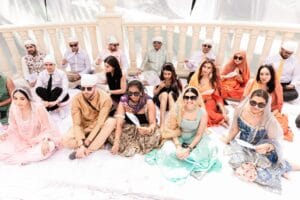
A Haldi ceremony at a beach destination can be joyful, intimate, colorful, and full of movement. It can also involve details that are easy to underestimate, including the location surface, shade, clothing changes, cleanup, photography access, and the transition to the next event. Planning those elements early protects the meaning of the ceremony and lets everyone participate without feeling rushed.
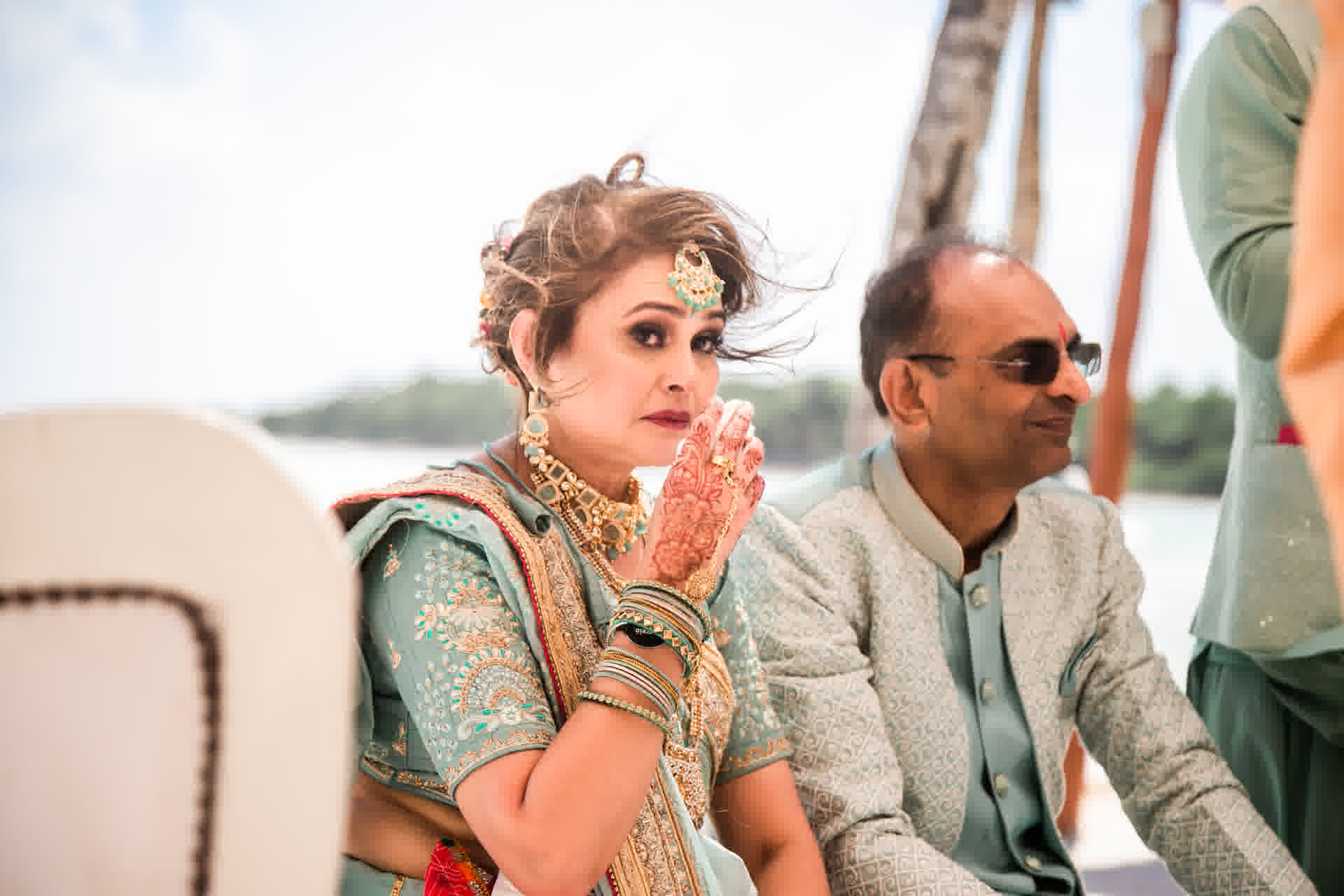
Haldi customs are not identical across families, regions, or communities. The ingredients, order, participants, songs, clothing, and level of formality may differ. Confirm the ceremony you want with your family, officiant if one is involved, and planner before building the production around it. The destination should support your traditions, not define them for you.
Begin with the family meaning of the ceremony
Before choosing decor or a poolside setting, write down what must happen for the ceremony to feel authentic to your family. Identify who prepares or presents the Haldi, who applies it, whether there are separate gatherings, which relatives have formal roles, and whether music or blessings should be included.
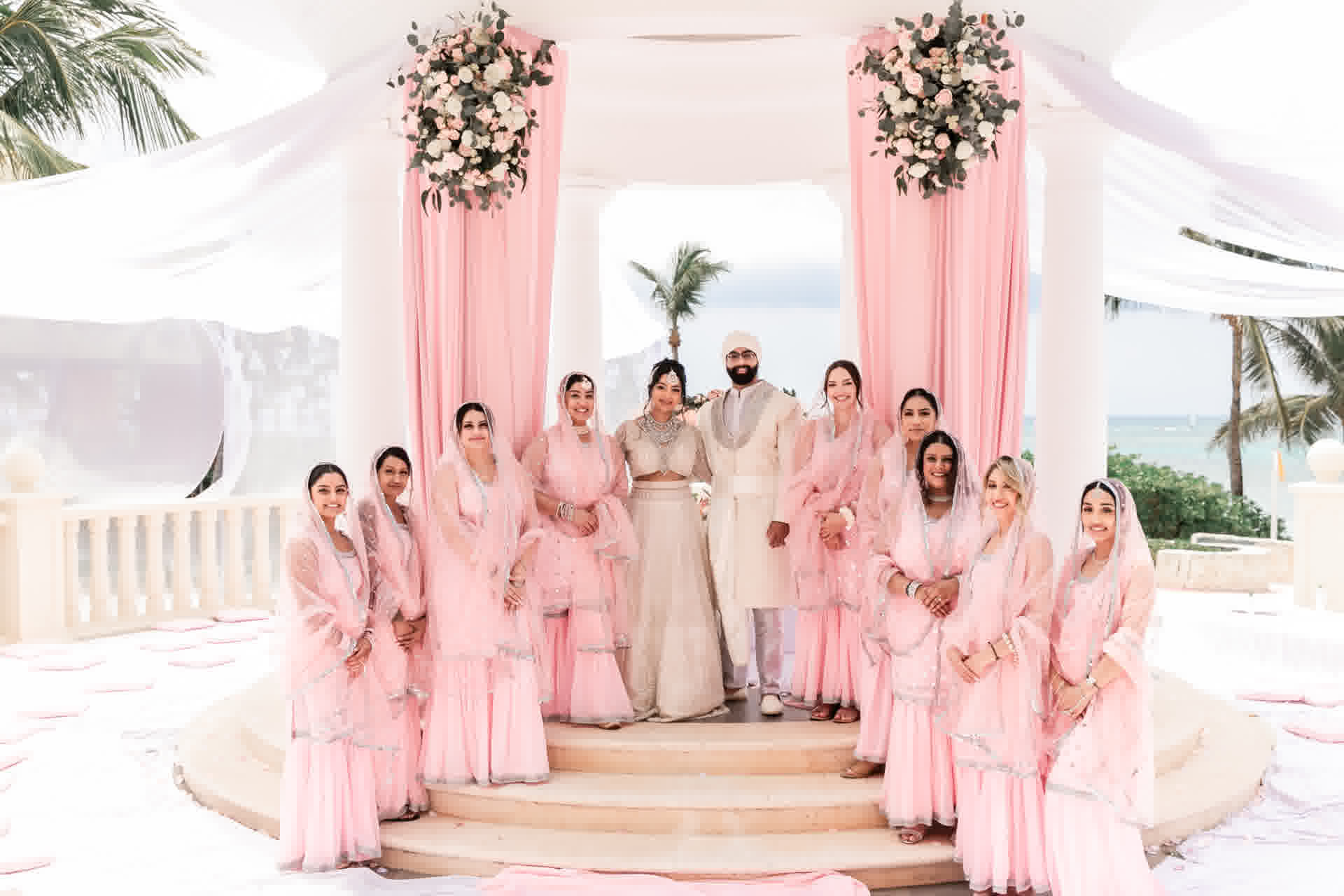
This conversation helps the planner create an accurate timeline and helps the visual team understand what to anticipate. It also prevents a meaningful ritual from being compressed into a generic photo opportunity. If two families have different customs, discuss how both can be represented with clarity and respect.
Couples planning several connected events can explore our approach to South Asian weddings in Cancun, where we combine editorial portraiture with documentary storytelling across the full celebration.
Select a location that works beyond the photographs
A terrace, garden, covered patio, or beach-adjacent lawn may provide a tropical atmosphere without placing every practical need directly on the sand. Compare each option based on privacy, access, shade, stable seating, changing areas, nearby restrooms, and the route between guest arrival and the ceremony space.
Ask the venue and planner what materials are allowed, how surfaces must be protected, and what cleanup process is required. Policies differ, so avoid assuming that a setup used at another property will be accepted at yours. If colored powders, petals, water, or other elements are part of your family plan, disclose them clearly before approval.
Think about the ceremony surface
The floor should be safe for guests, performers, and relatives wearing formal clothing. A defined platform or protected area can also make the ritual easier to see and photograph. Confirm that any covering will remain stable under movement and tropical conditions.
Create a comfortable family zone
Reserve seats close to the ceremony for grandparents, parents, and anyone with a formal role. Keep pathways open so participants can approach naturally. The visual team should be able to document expressions without standing between the couple and their family.
Prepare a private transition area
After the ceremony, the couple may need a place to clean up, change, or pause before portraits and the next event. Build that transition into the plan rather than treating it as invisible time.
Choose a time with light and comfort in mind
Midday may appear convenient, but direct sun can create heat, strong shadows, and discomfort. An earlier start or a shaded location may offer softer conditions. The best choice depends on the season, orientation of the space, full event schedule, and venue access.
Review seasonal considerations with your planner and use historical patterns as planning information, not a promise. Our guide to the best months for a Cancun wedding can help you frame the questions, while your local team should confirm the current plan closer to the date.
Always identify a weather alternative before invitations or final production decisions. A backup space should fit the essential ritual, not merely provide a place to wait. Confirm how quickly the setup can move and who has authority to make the weather call.
Design for participation, not just decoration
Haldi design can be vivid and expressive, but the ceremony should remain easy to understand and navigate. Create a focal point for the couple, visible space for relatives to approach, and enough room for musicians or family members if they are included. Avoid crowding the central area with decor that blocks faces or movement.
Coordinate the palette with the clothing worn by the couple and immediate family. Contrast can help portraits feel clear, while related tones can create a layered editorial look. Ask the design and photography teams to review the main background together, especially if the event will move from daylight into artificial lighting.
Small functional details matter. Towels, protective wraps, water, covered storage for personal items, and a clear place for used materials should be assigned to responsible team members. Your planner can determine what is suitable for the venue and ceremony.
Protect the photography and video story
The most meaningful Haldi images are often reactions: a parent’s expression, friends laughing, hands preparing the mixture, or a quiet blessing before the celebration becomes energetic. Give the visual team the sequence, participant names, and any moments that should be treated with particular sensitivity.
Schedule clean portraits before the ceremony if they matter to you. Afterward, embrace the change in energy and appearance rather than expecting every image to remain formal. A combination of editorial portraiture and documentary storytelling lets the gallery hold both the beauty of the design and the honest character of the ritual.
If the ceremony involves movement, water, or playful interactions, protect cameras and working routes without isolating the team from the action. This is best solved through planning and communication, not by interrupting the ceremony once it has begun.
Build realistic transitions into the wedding weekend
A Haldi may look short on the written schedule while requiring significant preparation and recovery time. Include venue access, decor setup, sound checks, couple preparation, family arrival, ceremony, informal celebration, cleanup, travel, showers, clothing changes, and a meal break when appropriate.
Do not schedule a tightly styled portrait session or another major event immediately afterward without confirming how long everyone needs. The perfect Cancun wedding timeline guide explains why transition time is one of the best ways to protect both the experience and the photographs.
Xavier Bau Weddings is a Cancun-based bilingual photo and video team with more than 15 years of destination-wedding experience and more than 1,200 weddings documented. We bring calm direction to planned portraits and documentary attention to the unscripted moments around them. We also coordinate photography priorities with the planner so the Haldi fits naturally within the larger weekend. For full multi-day coverage planning, see our Indian wedding photographer in Cancun guide.
Frequently asked questions about a beach wedding Haldi
Can we hold the Haldi directly on the beach?
It may be possible, but suitability depends on guest comfort, privacy, weather, access, environmental considerations, and property requirements. Ask your planner and venue to approve the exact materials and setup before committing.
What should guests wear to a destination Haldi?
Give clear guidance based on your family’s customs, the level of formality, and the possibility that clothing may be marked. Avoid presenting one color or style as universal unless your hosts have chosen it for this event.
When should we take portraits?
Take polished couple and immediate-family portraits before the ceremony if clean clothing and detailed styling are priorities. Leave time afterward for energetic documentary images and any portraits that intentionally show the celebration.
How do we plan for rain?
Choose a covered or indoor backup space that can support the essential ritual and guest count. Confirm the decision time, communication method, and setup responsibilities with the planner and venue.
Who should receive the ceremony schedule?
Share the approved version with the planner, key family representatives, venue, decor and production teams, photography, video, and anyone coordinating music or participants.
To plan calm photography and video coverage coordinated with your planner for the Haldi and surrounding events, contact Xavier Bau Weddings.