A wedding photography shot list can be helpful, but only when it protects what matters instead of trying to control every second of the celebration. Couples often download enormous lists that include hundreds of generic images: shoes, invitations, every table, every possible pose, and every reaction. The result can be more anxiety, not better photographs.
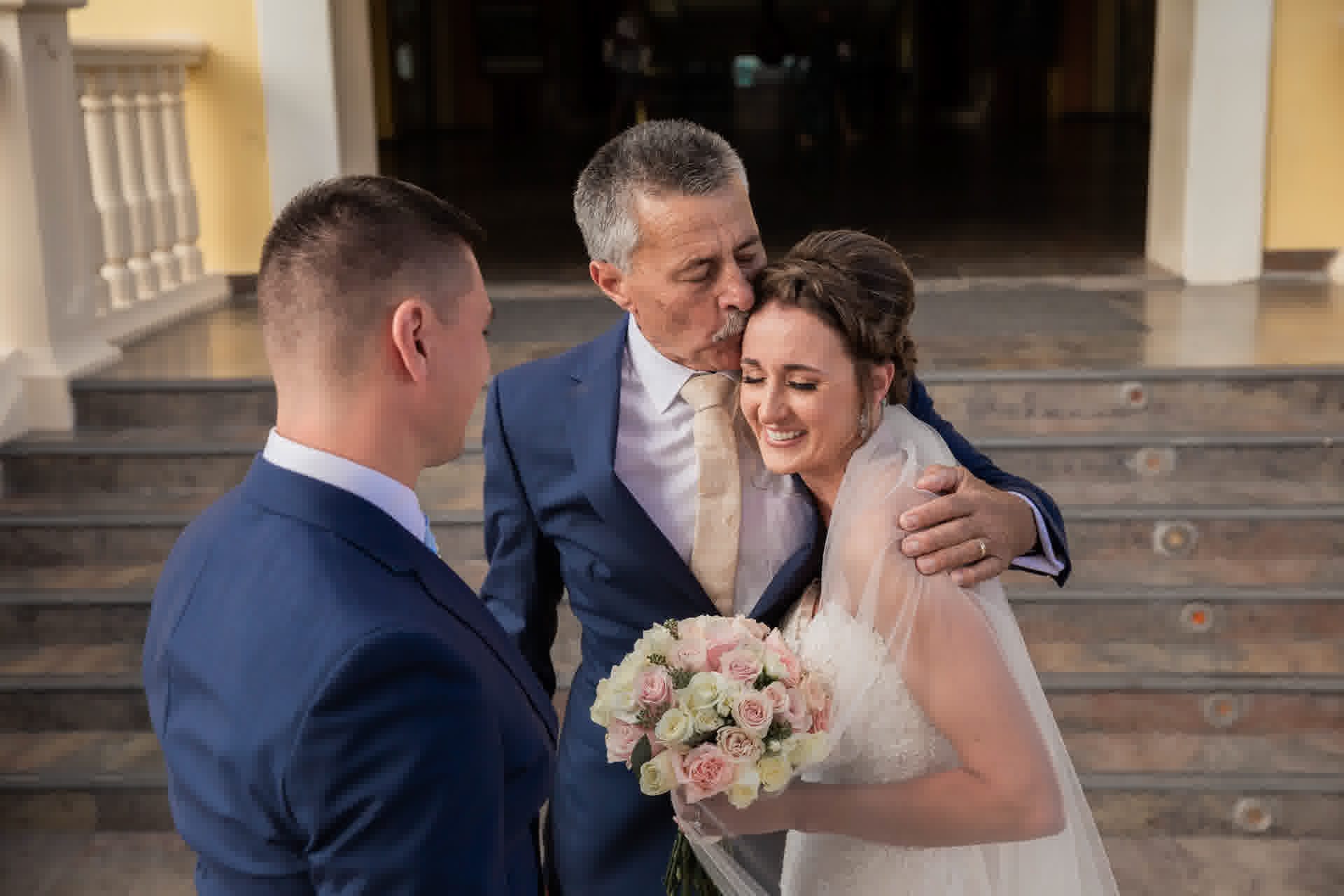
A destination wedding in Cancun or the Riviera Maya needs a different approach. The photography team already knows how to document the standard parts of a wedding. What we need from the couple is the information we cannot discover by looking at the schedule: the people, relationships, objects, traditions, surprises, and personal priorities that make this wedding unique. This guide explains how to create a useful destination wedding photography shot list while leaving enough space for real moments.
Understand What a Professional Shot List Is Supposed to Do
The purpose of the list is not to teach a photographer to photograph a wedding. It is to identify information that is specific to the couple. A professional team should already anticipate getting ready, ceremony details, entrances, vows, rings, family reactions, couple portraits, reception events, speeches, and dancing.
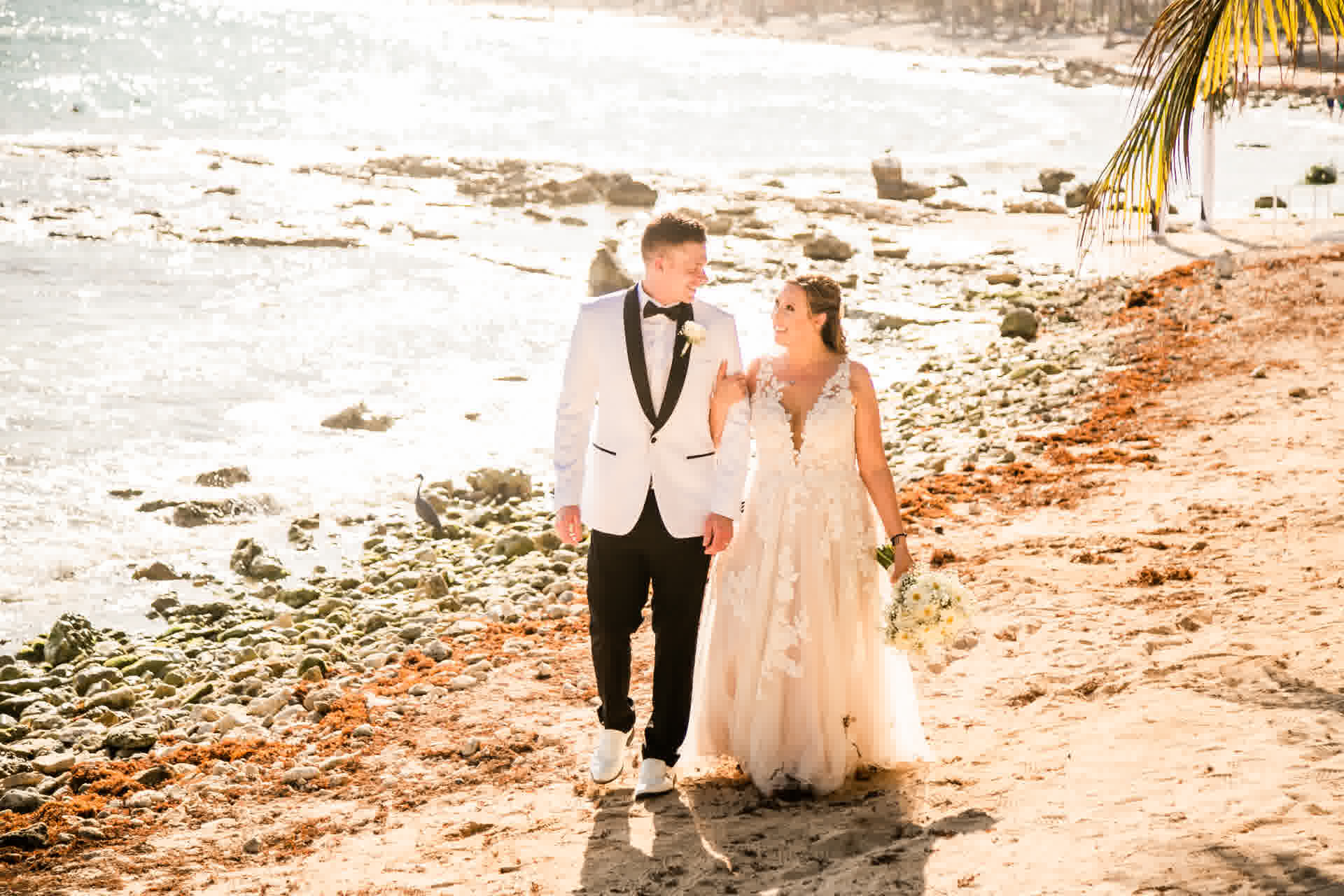
Your list should answer questions such as: Which family relationships are essential? Is an heirloom hidden inside the dress? Will a sibling perform a surprise song? Is a grandparent traveling who must be photographed early? Are there divorced parents who need separate groupings? Is there a tradition-specific tradition that requires a particular person or object?
When the list focuses on meaning, it becomes a creative brief. When it attempts to describe every obvious photograph, it becomes a distraction.
Divide the List Into Four Useful Categories
A simple structure makes the document easier to use under real wedding conditions. We recommend separating the information into people, personal details, planned moments, and formal groups. These categories can fit on a few clear pages and can be shared with photography, film, and the planner.
People and relationships
Identify immediate family, grandparents, bridal party, and anyone with an important role. Add the relationship, not only the name. “Maya , bride’s grandmother” gives the team context that a name alone cannot provide. Mention mobility needs, limited availability, or emotional significance privately when relevant.
Personal details and heirlooms
List objects with a story: a borrowed veil, a parent’s watch, memorial jewelry, handwritten vows, a tradition-specific item, or a gift that will be exchanged. Standard wedding details do not need to appear individually unless they have unusual meaning or will be available only at a specific time.
Planned and surprise moments
Include first looks, private letters, gifts, performances, special entrances, fireworks, outfit changes, choreographed dances, or a surprise guest. Share surprises discreetly with the lead team and planner so cameras and audio can be ready without changing the reaction.
Formal family and group portraits
Create a separate ordered list for family combinations. Keep it realistic and prioritize the groups that would feel missing from the final gallery. Assign one helpful person from each family to gather relatives. A group list works best when it is organized, timed, and connected to the actual wedding flow.
Do Not Turn Candid Moments Into Assignments
Many online lists include instructions such as “bride laughing with bridesmaids,” “groom wiping away a tear,” or “guests cheering during the ceremony.” These are not tasks the couple should manufacture. They are moments the photographer should observe.
Real candid photography depends on awareness, positioning, timing, and trust. The team watches for interactions and anticipates reactions. The couple can help by creating space for experience: keeping the getting-ready room calm, allowing enough time, staying present during the ceremony, and avoiding a timeline that moves everyone from one task to another without breathing room.
If a particular relationship matters, tell us about the person. Do not write the exact emotion you want them to display. We can pay attention to the relationship without asking someone to perform a feeling.
Connect the Shot List to the Wedding Timeline
A list without timing can create impossible expectations. A beach portrait may be requested when the couple is scheduled inside a ballroom. A large family group may be planned during a short transition. Details may be requested after the invitation suite has been packed away or moved to another room.
Review the list alongside the timeline. Decide when the personal details will be ready, when family members are together, how long transportation takes, and where the best portrait opportunities fit naturally. Our Cancun wedding timeline guide explains how ceremony, family portraits, cocktail hour, couple portraits, and reception events affect one another.
Prepare details before coverage begins
Place invitations, rings, jewelry, shoes, perfume, vows, and meaningful objects together before the photography team arrives. Remove packaging and confirm who is responsible for the rings afterward. This creates more time for people and interactions instead of searching through bags.
Choose a home for formal portraits
Identify a location near the ceremony or reception that works for the group size, light, weather, and accessibility. A beautiful background is not useful when elders cannot reach it comfortably or the group blocks a guest pathway.
Plan for Resort Distance, Weather, and Access
Destination weddings involve logistics that may not appear on a generic checklist. Rooms can be in different towers. A ceremony may require golf-cart transportation. The beach may be windy. Security may limit when an outside team enters a space. A ballroom may not be available until the decor team finishes.
Add practical notes to the shot list when they affect availability. State where the dress, rings, invitation suite, and personal details will be located. Note whether both partners are getting ready far apart. Confirm where the team can photograph decor before guests enter. Share the official backup space for rain rather than assuming any covered area will work.
Venue rules and access arrangements can change, so confirm current details in writing with the resort or planner. The photography list should reflect the final operational plan, not an early assumption.
Give Photo and Video One Coordinated Priority List
Photography and cinematography tell the story differently, but they need the same core information. Separate, conflicting lists can cause repeated direction and missed transitions. Create one shared priority document, then add medium-specific notes only where needed.
Film needs advance notice about vows, letters, speeches, live music, prayers, and surprises because sound preparation matters. Photography may need precise family groupings or extra time for an heirloom detail. The teams can coordinate coverage so the couple does not repeat a first look, gift exchange, or getting-ready action for multiple cameras.
Couples comparing a combined approach can review our Cancun photography and film planning guide.
Use Priorities Instead of an Unlimited List
Mark items as essential, important, or optional. Essential items are the photographs that would feel genuinely missing. Important items should be protected when the timeline allows. Optional ideas are welcome but should not interrupt the experience or delay a more meaningful moment.
This priority system helps when weather changes, hair and makeup run late, transportation is delayed, or a ceremony lasts longer than expected. The team can protect the essential story rather than trying to complete a checklist in the original order while the wedding moves forward.
A useful list is flexible. It supports professional judgment and gives the team context. It does not require the couple to supervise the photographer throughout the day.
What to Leave Off the List
Remove generic instructions already included in normal professional coverage. You do not need to request the kiss, rings, first dance, cake, or general decor unless something about the moment is unusual. Avoid inspiration screenshots that require a different venue, light, weather, clothing, or body movement. References can communicate mood, but they should not become a promise to copy another couple’s wedding.
Do not include private family information in a document distributed to every vendor. Sensitive notes can be shared separately with the lead photographer and planner. Do not add unconfirmed schedule details or venue locations. One accurate final list is better than several conflicting drafts.
Finally, leave room for surprise. Some of the strongest images will come from moments no one could write in advance: a parent watching from across the room, friends helping with a dress, wind moving a veil, an unexpected laugh, or a quiet pause before the ceremony.
Send One Final Version and Name a Point of Contact
Send the final shot list with the confirmed timeline, family contacts, and venue information. Choose one version owner,usually the planner, couple, or designated family member,so changes are not coming from several directions.
During the wedding, the couple should not carry the list. The photography team and family contacts use it. If an optional photograph becomes unrealistic, we find another opportunity or protect the essential coverage. The system should reduce mental load, not transfer production management to the bride or groom.
To discuss a personal shot list, family dynamics, and the timeline for your destination wedding, contact Xavier Bau Weddings. We can help turn your priorities into a plan that remains calm enough for genuine moments to happen.
Frequently Asked Questions About Wedding Photography Shot Lists
Should we send Pinterest screenshots?
A small number of references can help explain mood or style, but they should not be used as a frame-by-frame checklist. Your venue, light, clothing, relationships, and weather are different. The strongest photographs will belong to your actual wedding.
How long should the family-photo section be?
Include the groups that matter and arrange them efficiently. The right number depends on family size, mobility, available time, and the wedding schedule. Prioritization is more important than reaching a particular count.
Do we need separate lists for photo and video?
Use one shared document for people, schedule, traditions, and surprises. Add specific notes for film audio or formal photography only when necessary. A coordinated list reduces repetition.
When should we send the final version?
Share a working list during timeline planning and a final version after the schedule, locations, and important participants are confirmed. Avoid last-minute changes distributed through several group chats.
What if we forget an image on the list?
A professional team still documents the complete wedding story. The list highlights personal information we could not know in advance; it does not replace observation, experience, or normal wedding coverage.